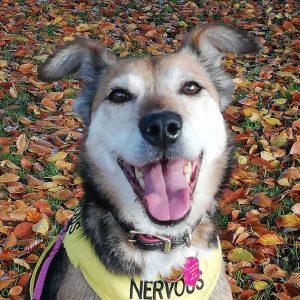
“Can you help with my reactive dog?”
It’s one of the most common messages I receive — and it usually comes with a lot of worry, guilt, and exhaustion behind it. If that’s you, I want to start by saying this: you’re not failing your dog, and you’re not alone.
I want to be very clear and honest from the outset. I don’t claim to cure reactive dogs. Reactivity is complex, emotional, and deeply individual. True behaviour modification around reactivity should always be led by a qualified behaviourist.
What I can help with is something just as important — reducing stress, pressure, and overwhelm in everyday life with a reactive dog, so both of you can breathe again.
And that matters more than most people realise.
Living With a Reactive Dog Is Emotionally Draining
Living with a reactive dog isn’t just about barking, lunging, or growling. It’s about constantly scanning the environment, changing routes, avoiding people and dogs, and feeling tense before you even leave the house.
Over time, that stress builds — for you and your dog.
And here’s something many owners don’t realise: stress doesn’t disappear the moment a walk ends.
Cortisol, the main stress hormone, can take hours to reduce once it’s been triggered. If your dog has a stressful walk in the morning, then another in the afternoon, and maybe one in the evening too, their nervous system never really gets a chance to settle.
For some dogs, daily walks aren’t helping at all — they’re keeping stress levels permanently high.
My Reactive Dog, Orla, Taught Me This the Hard Way
I lived this myself with my dog Orla.
For years, people described her as a “well-managed angel.” And she was — as long as nothing went wrong. We had routines, space, and strategies. She didn’t react because I worked hard to make sure she never needed to.
But if a dog ran up to her, or someone ignored her boundaries, she would have gone absolutely ballistic. That reactivity never disappeared — it was simply managed with care and respect.
The biggest change wasn’t more training. It was changing our routines so she wasn’t constantly pushed into situations that overwhelmed her nervous system.
Once I stopped believing that daily walks were non-negotiable, everything became calmer.
Walks Aren’t as Essential as We’ve Been Led to Believe
This is often the hardest belief for owners to let go of.
We’re told that dogs need daily walks to be happy, fulfilled, and well behaved. But that simply isn’t true for every dog — especially reactive ones.
If walks cause your dog to rehearse stress, fear, or defensive behaviour, they are not enriching. They’re exhausting.
And if you dread them too, that emotional tension feeds straight down the lead.
Rest days are not lazy days. They’re recovery days.
Giving your dog’s nervous system time to reset can reduce overall reactivity far more effectively than forcing “exposure” before they’re ready.
So How Can I Support You and Your Reactive Dog?
While I don’t work directly on behaviour modification for reactivity, I do specialise in helping dogs feel calmer and more settled away from the pressure of walks.
That’s where my support fits in.
Beyond the Walk: Free Support When Walks Feel Like Too Much
If walks are currently the hardest part of life with your reactive dog, you don’t have to figure this out on your own.
Beyond the Walk is my free Facebook group for dog owners who are questioning the “must walk every day” narrative and looking for kinder, calmer ways to support their dogs. It’s especially helpful if you’re living with a reactive dog and feeling stuck, overwhelmed, or unsure what’s okay to change.
Inside the group, we talk openly about stress, nervous systems, rest days, enrichment, and real-life management — without judgement and without pressure to “fix” your dog. You’ll see stories from other owners who’ve reduced walks, changed routines, and found that both they and their dogs feel calmer as a result.
There’s no expectation to post, no training homework, and no one telling you you’re doing it wrong. You can simply read, learn, and take what helps.
If you’re at the stage where you’re thinking, there must be another way to do this, Beyond the Walk is a gentle place to start.
Snuffle Spot: A Place to Exhale
For some reactive dogs, even quiet walks feel like too much. That’s where Snuffle Spot can be a real lifeline.
Snuffle Spot is an in-person session held near Johnshaven, DD10, designed specifically to be calm, pressure-free, and genuinely relaxing. Only one dog — or one family of dogs — attends at a time, so there’s no risk of unexpected encounters and no need to stay on high alert.
Your dog is free to sniff, lick, explore, and decompress at their own pace in a safe, enclosed space, while you enjoy a chat and a coffee. There’s no training agenda and no expectations placed on your dog.
As your dog explores, I’m there to offer gentle, practical tips based on what I see — whether that’s ideas for lowering stress at home, enrichment options, or small changes to daily routines that can make life with a reactive dog feel more manageable.
For many dogs, Snuffle Spot becomes a rare moment of calm outside the house. For owners, it’s often the first time they’ve been able to relax alongside their dog rather than manage them.
It’s not about fixing reactivity. It’s about giving both of you a break from it.
Wags Without Walks Club: Calm Alternatives to Stressful Walks
If walks are currently the hardest part of your day, Wags Without Walks Club exists for you.
It’s full of simple, stress-free games and activities you can do at home or in your garden — designed to engage your dog’s brain, lower stress levels, and build connection without relying on walks.
These activities aren’t about “tiring your dog out.” They’re about regulation, choice, and helping your dog feel safe in their body again.
Many members have reactive dogs. Some don’t walk at all for long periods — and their dogs are calmer for it.
You’re Not Avoiding the Problem — You’re Supporting Recovery
Choosing rest, enrichment, and calm alternatives isn’t “giving up” on your reactive dog.
It’s meeting them where they are.
Reducing stress doesn’t replace working with a behaviourist — it supports it. A calmer nervous system is far more capable of learning, coping, and adapting.
And sometimes, the most compassionate thing you can do is stop pushing and start protecting.
If You’re Struggling, You’re in the Right Place
If you’re living with a reactive dog and wondering whether there’s another way to get through the day without constant stress — yes, there is.
I can’t promise miracles.
I can promise understanding, support, and practical ways to make life feel calmer for both of you.
And that’s often where real change begins.